

Building caretaker services across the Lower Mainland
A dependable onsite caretaker for strata corporations and commercial buildings — full-time, part-time or on-call — from Vancouver to Chilliwack. One point of contact, one company accountable for the building.
What a caretaker does
The person who keeps the building running day to day
A building caretaker is the set of hands on site: opening and securing common areas, walking the property, taking out and rotating the bins, clearing the entrance, swapping light bulbs and filters, meeting trades at the door, and catching the small problems before they turn into a special levy.
For most strata councils in the Lower Mainland, the alternative is a volunteer council member doing it after work, or a different contractor for every task. Neither scales, and neither leaves a record of what was actually done.
TAKL caretakers are employed, insured, supervised and scheduled by us. Every visit is logged, every issue is reported back to the council or property manager, and when something needs a trade we already have painters, cleaners and repair crews in-house.
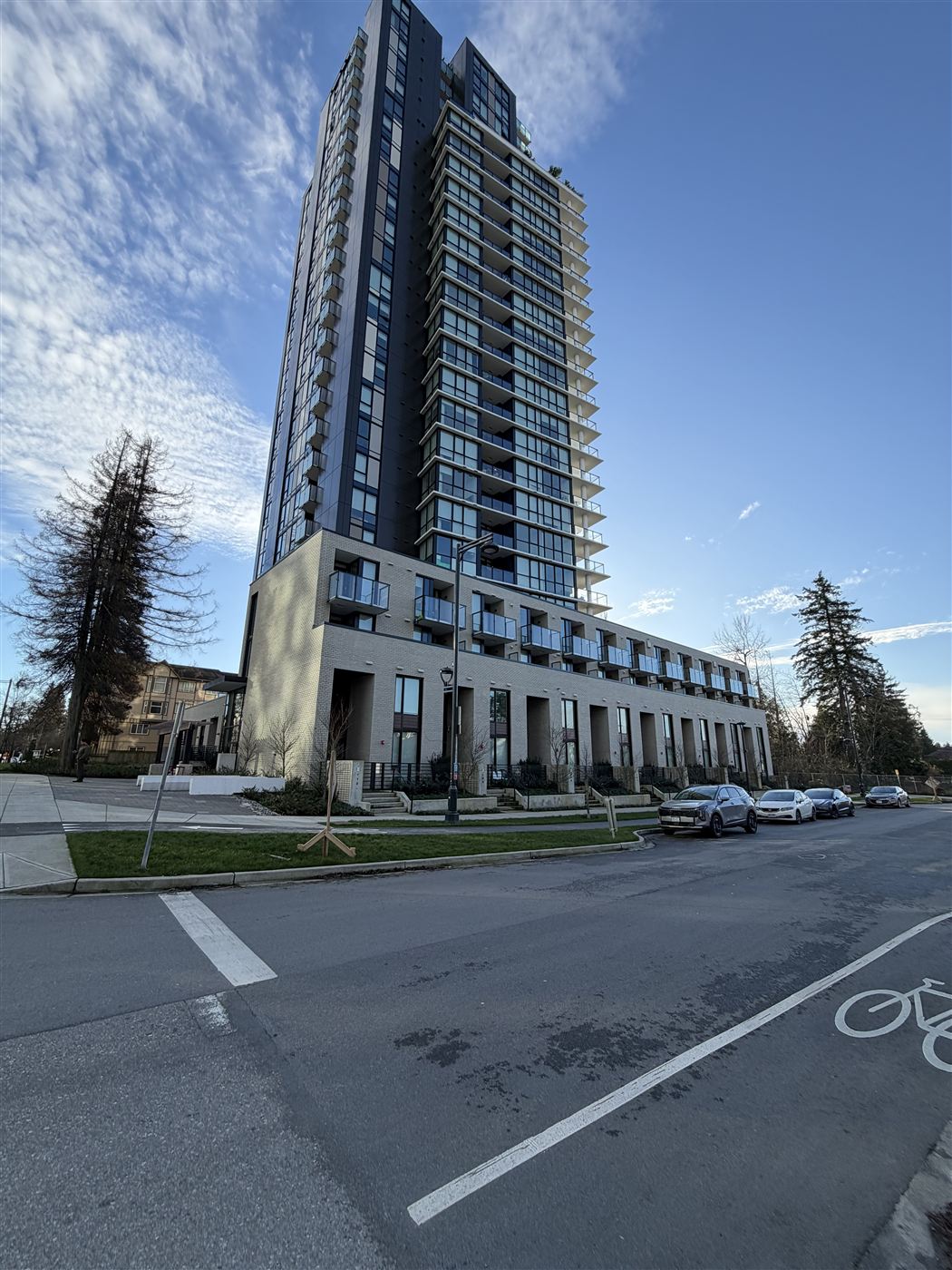
Scope
What's included in caretaker service
Scope is set per building and written into the service agreement, so the council knows exactly what is covered. A typical strata caretaking schedule includes:
Daily walkthroughs
Lobbies, corridors, stairwells, parkade and amenity rooms checked on a set round, with anything out of place reported the same day.
Garbage & recycling
Bin rotation, chute rooms, overflow and bulky-item staging, and keeping the collection area presentable on pickup days.
Minor repairs
Bulbs, ballasts, filters, door closers, hinges, hose bibs, patching and touch-ups — the handyman-level work that otherwise waits weeks for a call-out.
Trade & delivery access
Meeting contractors, elevator bookings for moves, access to locked rooms, and supervising work in common property.
Entrances & grounds
Sweeping and spot-washing entries, clearing leaves and debris, salting and shovelling in winter, and flagging landscaping issues.
Reporting to council
A written record of visits, completed tasks and outstanding items — so the council has something concrete at the next meeting.
What sets us apart
A modern building is run by computers. Your caretaker should know that.
Walk any building put up in the last twenty years and almost nothing is mechanical any more. The boiler and make-up air units run off a controller. The parkade gate, the enterphone, the fob readers, the irrigation, the common-area lighting, the EV chargers, the leak sensors — every one of them is a small computer with a schedule, a log and a screen.
Most caretakers were never trained on any of it. So the response to a fault is a phone call and a service invoice, even when the actual problem is a schedule that drifted after a power cut, a controller that needs a reset, or a sensor that has been reporting an error for a month with nobody reading it.
Our caretakers are trained IT specialists, and we keep that training current as the systems change. They read the panels, work the dashboards, check the logs and fix what is genuinely fixable on site — and when a certified trade is actually required, they can tell you precisely what is wrong before the truck is booked.
Controls & schedules
Lighting timeclocks, irrigation controllers, gate and door schedules reset and corrected after an outage or a seasonal change, instead of running wrong all year.
Panels & alerts read, not ignored
Mechanical room panels, leak detection and monitoring alerts checked on the round — faults get caught while they are still cheap.
A diagnosis before the call-out
When a certified trade is needed, they arrive knowing the fault, the unit and the history — which is the difference between one visit and three.
Coverage
Full-time, part-time, or just when you need it
Not every building needs a caretaker five days a week, and paying for one it doesn't need is how caretaking gets cut from the budget entirely.
Full-time onsite
A dedicated caretaker on site daily. Suits larger strata complexes, mixed-use buildings and commercial properties with steady foot traffic.
Part-time & scheduled
Set visits — two or three mornings a week, or whatever the building actually needs. The most common arrangement for mid-size strata.
Relief & on-call
Vacation and sick-leave coverage for a resident caretaker you already have, plus after-hours response when something can't wait.
Often confused
Caretaker, building manager, or strata manager?
Councils use these three titles interchangeably, and it causes real gaps in scope. The short version:
Caretaker
Hands-on, on site. Cleaning, bins, minor repairs, access, walkthroughs. This is the service on this page.
Building manager
Everything a caretaker does, plus coordinating trades, overseeing contracts and projects, and acting as the day-to-day contact for residents. We provide this too — see onsite care.
Strata manager
A licensed role handling finances, AGMs, bylaws and insurance for the corporation. Separate from maintenance — we work alongside yours, not instead of them.
Where we work
Caretakers across the Lower Mainland
Our office is in Surrey and our crews cover the region daily — Vancouver to Chilliwack.
Questions
Building caretaker FAQ
Need a caretaker for your building?
Tell us the building, the hours you have in mind, and what's not getting done right now — we'll walk the property and quote it.